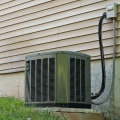
Understanding the lifespan of your air conditioner is crucial for homeowners who want to ensure their investment lasts as long as possible. On average, air conditioning units can last anywhere from 15 to 20 years, but this range can vary significantly based on several factors. Knowing how long air conditioners typically last and what influences their longevity can help you make informed decisions about maintenance, repairs, and potential Understanding the lifespan of your air conditioner is crucial for homeowners who want to ensure their investment lasts as long as possible. On average, air conditioning units can last anywhere from 15 to 20 years, but this range can vary significantly based on several factors. Knowing how long air conditioners typically last and what influences their longevity can help you make informed decisions about maintenance, repairs, and potential AC replacements.Several elements play a pivotal role in determining the lifespan of your cooling system. For instance, the quality of the unit itself, the frequency and type of maintenance it receives, and even the climate in which it operates can all impact how long your air conditioner will function effectively.
Regular upkeep not only enhances performance but also helps prevent premature breakdowns that could lead to costly repairs or replacements.Moreover, understanding the signs that indicate your air conditioner may be nearing the end of its life is essential. Homeowners should be vigilant for symptoms such as inconsistent cooling, unusual noises, or rising energy bills, which can signal that your unit is struggling. By recognizing these warning signs early on, you can take proactive measures to either extend its lifespan through maintenance or consider an AC replacement if necessary.In this guide, we will delve deeper into the various factors affecting air conditioner lifespan and provide practical tips on how to maximize the longevity of your unit. Whether you're looking to maintain your current system or contemplating an upgrade, understanding these aspects will empower you to make better choices for your home comfort.
Factors Influencing Air Conditioner Lifespan
Understanding the factors that influence the lifespan of your air conditioner is crucial for making informed decisions about maintenance and potential replacements.Several elements come into play, including maintenance practices, environmental conditions, and the quality of the unit itself.
1.Maintenance Practices
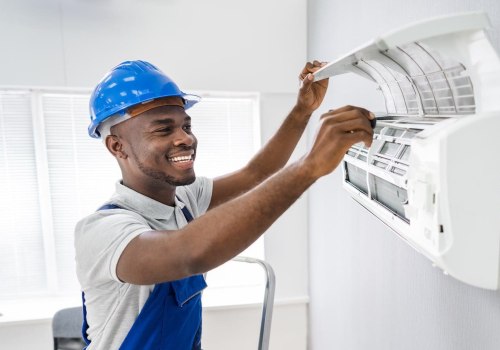
- Regular Inspections: Scheduling annual inspections with a qualified technician can help identify potential issues before they escalate. Technicians can clean coils, check refrigerant levels, and ensure all components are functioning correctly.
- Filter Changes: One of the simplest yet most effective maintenance tasks is changing or cleaning the air filter regularly. A clogged filter restricts airflow, forcing the system to work harder and potentially leading to premature failure.
- Drain Line Maintenance: Keeping the condensate drain line clear is essential to prevent water damage and mold growth. Regularly checking and cleaning this line can enhance efficiency and longevity.
- Thermostat Calibration: Ensuring that your thermostat is accurately calibrated can prevent unnecessary strain on your AC unit.
An improperly set thermostat can lead to excessive cycling, which can wear out components faster.
2.Environmental Conditions
- Climate: The local climate plays a significant role in how hard your air conditioner has to work. In hotter regions, units may experience more wear and tear due to constant use, while those in milder climates may last longer.
- Air Quality: Poor air quality, including high levels of dust and pollutants, can affect the efficiency of your AC unit. Regular cleaning and maintenance can mitigate these effects.
- Sun Exposure: Units that are exposed to direct sunlight may have a shorter lifespan due to increased heat stress. Installing shading devices or relocating the unit can help protect it from harsh conditions.
3.Unit Quality
- Brand Reputation: Investing in a reputable brand known for durability and reliability can significantly impact the lifespan of your air conditioner.
Researching customer reviews and expert recommendations can guide you in selecting a quality unit.
- Installation Quality: Proper installation is critical for optimal performance. A poorly installed unit may face operational issues that could shorten its lifespan. Always hire certified professionals for installation.
The Importance of Regular Maintenance
Regular maintenance of your air conditioner is not just a recommendation; it is a necessity for ensuring the longevity and efficiency of your cooling system. Just like any other mechanical device, air conditioners require periodic check-ups to function optimally.Neglecting maintenance can lead to a host of problems, including reduced efficiency, higher energy bills, and ultimately, the need for AC replacements.
Benefits of Regular AC Maintenance
- Enhanced Efficiency: A well-maintained air conditioner operates more efficiently, which translates to lower energy consumption. This efficiency not only saves you money on utility bills but also reduces your carbon footprint.
- Extended Lifespan: Regular maintenance can significantly extend the lifespan of your unit. By addressing minor issues before they escalate into major problems, you can keep your air conditioner running smoothly for years beyond its expected lifespan.
- Improved Air Quality: Routine maintenance includes cleaning or replacing filters, which helps improve indoor air quality. A clean filter traps dust, allergens, and pollutants, ensuring that the air circulating in your home is fresh and healthy.
- Fewer Breakdowns: Regular inspections can identify potential issues early on, reducing the likelihood of unexpected breakdowns during peak usage times.
This proactive approach can save you from costly emergency repairs.
- Warranty Protection: Many manufacturers require regular maintenance to keep warranties valid. Failing to adhere to maintenance schedules could void your warranty, leaving you responsible for repair costs.
How to Maintain Your Air Conditioner
Maintaining your air conditioner involves several key practices that should be performed regularly:
- Change or Clean Filters: Depending on usage, filters should be checked monthly and replaced or cleaned every 1-3 months. Dirty filters restrict airflow and reduce efficiency.
- Inspect Ductwork: Ensure that ducts are sealed properly and free from obstructions. Leaky ducts can lead to significant energy loss.
- Clean Coils: Both the evaporator and condenser coils should be cleaned at least once a year.
Dust and debris can accumulate on coils, hindering heat exchange and reducing efficiency.
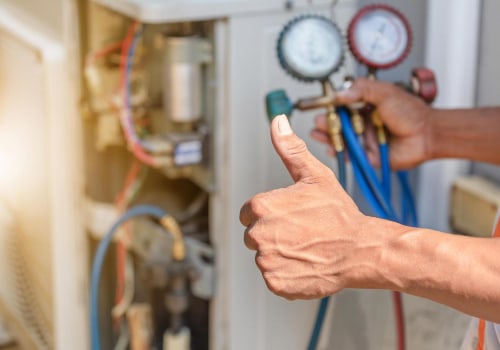
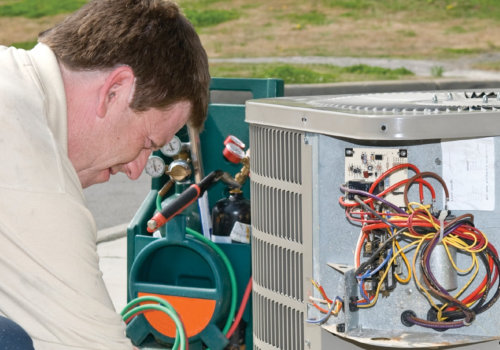
- Check Refrigerant Levels: Low refrigerant levels can indicate leaks or other issues. A professional technician should check these levels during routine maintenance.
- Scheduling Professional Inspections: It’s advisable to have a professional technician perform a comprehensive inspection at least once a year. They can identify issues that may not be apparent to the average homeowner.
Signs Your Air Conditioner Needs Replacement
Determining when to replace your air conditioner can be a daunting task, especially when faced with the prospect of costly repairs.However, recognizing the signs of AC failure can help you make an informed decision about whether to invest in a new unit or continue with repairs. Here are some key indicators that suggest it may be time to consider AC replacements.
- Age of the Unit: One of the most significant factors to consider is the age of your air conditioning system. If your unit is over 15 years old, it may be nearing the end of its lifespan. While some well-maintained units can last longer, older systems often become less efficient and more prone to breakdowns.
- Frequent Repairs: If you find yourself calling for repairs multiple times a year, it may be a sign that your air conditioner is failing.
Frequent breakdowns not only disrupt your comfort but can also add up in repair costs, making replacement a more economical choice.
- Rising Energy Bills: An increase in your energy bills can indicate that your air conditioner is working harder than it should. If your unit is no longer energy-efficient, it may be time to consider a replacement. Newer models are designed to consume less energy while providing better cooling performance.
- Inconsistent Temperatures: If certain rooms in your home are warmer or cooler than others, this inconsistency could signal that your AC is struggling to maintain proper airflow or cooling. This issue may stem from an aging unit that can no longer effectively distribute cool air.
- Noisy Operation: Unusual noises such as grinding, squealing, or banging sounds can indicate serious mechanical issues within your air conditioning system.
If these noises persist despite repairs, it may be time to consider a replacement.
- Humidity Issues: An air conditioner’s primary function is to remove humidity from the air. If you notice increased humidity levels indoors or condensation on windows, your AC may not be functioning properly and could require replacement.
If you suspect that your air conditioner is nearing the end of its life, consulting with a professional HVAC technician can provide valuable insights and help you make the best decision for your home.
Energy Efficiency and Its Impact on Lifespan
When it comes to air conditioning units, energy efficiency plays a crucial role not only in reducing utility bills but also in extending the lifespan of the system. Investing in energy-efficient air conditioners can lead to significant long-term benefits, making them a wise choice for homeowners.Understanding Energy Efficiency
Energy efficiency refers to the ability of an air conditioning unit to provide the same level of cooling while using less energy. This is typically measured by the Seasonal Energy Efficiency Ratio (SEER). The higher the SEER rating, the more efficient the unit is.
Modern energy-efficient models often have SEER ratings of 14 or higher, compared to older units that may have ratings as low as 8.
Benefits of Energy Efficiency
- Lower Energy Bills: One of the most immediate benefits of an energy-efficient AC unit is reduced energy consumption, which translates to lower monthly utility bills.
- Environmental Impact: By using less energy, these units contribute to a decrease in greenhouse gas emissions, making them a more environmentally friendly option.
- Improved Comfort: Energy-efficient models often come with advanced technology that allows for better temperature control and humidity management, enhancing overall comfort in your home.
- Increased Resale Value: Homes equipped with energy-efficient appliances can attract more buyers and potentially sell for a higher price.
How Energy Efficiency Affects AC Lifespan
The relationship between energy efficiency and lifespan is significant. Energy-efficient air conditioners are designed with advanced components that not only consume less power but also operate more smoothly. This means they experience less wear and tear over time. Here are some ways in which energy efficiency contributes to a longer lifespan:
- Reduced Strain on Components: Efficient units do not have to work as hard to cool your home, which reduces stress on critical components like the compressor and fan motor.
- Consistent Performance: These systems maintain optimal performance levels, which helps prevent overheating and other issues that can lead to premature failure.
- Less Frequent Repairs: With fewer breakdowns and malfunctions, homeowners can expect lower maintenance costs and a longer operational life for their units.
By understanding the benefits of energy efficiency and how it impacts the lifespan of your AC unit, you can make informed decisions that will keep your home comfortable for years to come.
Choosing the Right Air Conditioner for Longevity
When it comes to ensuring the longevity of your air conditioning unit, choosing the right model is crucial. Not all air conditioners are created equal, and selecting a reliable brand with a proven track record can significantly impact how long your system lasts. Here are some key factors to consider when making your choice.Best Air Conditioners for Longevity
Several brands have established themselves as leaders in the air conditioning industry, known for their durability and reliability. Some of the top contenders include:- Trane: Renowned for their robust construction and high efficiency, Trane units often come with extensive warranties, reflecting their confidence in product longevity.
- Carrier: As one of the pioneers in air conditioning technology, Carrier offers a range of models that are both energy-efficient and built to last.
- Lennox: Known for their innovative designs and quiet operation, Lennox units are also recognized for their longevity when properly maintained.
- Rheem: With a focus on reliability and performance, Rheem air conditioners are designed to withstand various environmental conditions.
How to Choose an AC Unit
When selecting an air conditioner, consider the following features that can contribute to its lifespan:- Energy Efficiency: Look for units with a high SEER (Seasonal Energy Efficiency Ratio) rating.
Higher efficiency often correlates with better build quality and longer life.
- Durability: Check for models that use high-quality materials, such as galvanized steel or corrosion-resistant coatings, which can withstand wear and tear over time.
- Warranty: A comprehensive warranty can be a good indicator of a manufacturer’s confidence in their product. Look for warranties that cover parts and labor for an extended period.
- Technology: Advanced features like variable-speed compressors and smart thermostats not only enhance comfort but also reduce wear on the system, potentially extending its lifespan.
DIY Tips for Extending Your AC's Lifespan
Maintaining your air conditioner doesn’t have to be a daunting task. With a few simple DIY tips, you can significantly extend the lifespan of your unit while ensuring it operates efficiently.Here are some practical steps you can take to care for your air conditioning system:
- Regularly Clean or Replace Filters: One of the easiest and most effective ways to maintain your AC is by keeping the filters clean. Clogged filters restrict airflow, making your system work harder and reducing its efficiency. Check your filters monthly and clean or replace them every 1-3 months, depending on usage.
- Keep the Outdoor Unit Clear: Ensure that the area around your outdoor condenser unit is free from debris, such as leaves, dirt, and grass clippings. A clear space allows for proper airflow and prevents overheating.
Trim any nearby shrubs or plants to maintain at least two feet of clearance around the unit.
- Inspect Ductwork for Leaks: Leaky ducts can lead to significant energy loss and reduced cooling efficiency. Inspect your ductwork for any visible gaps or holes. Use duct tape or mastic sealant to seal any leaks you find, which can help improve airflow and lower energy costs.
- Check the Thermostat Settings: Ensure that your thermostat is functioning correctly and set to an appropriate temperature. Consider upgrading to a programmable thermostat that can adjust temperatures automatically based on your schedule, which can help reduce wear on your AC.
- Clear the Condensate Drain: A clogged condensate drain can cause water damage and lead to mold growth.
Regularly check the drain line for blockages and clear it using a wet/dry vacuum or a plumber’s snake if necessary.
- Schedule Professional Maintenance: While many tasks can be done by homeowners, scheduling a professional maintenance check at least once a year is crucial. A technician can perform a thorough inspection, clean internal components, and identify potential issues before they become major problems.
Professional Services: When to Call in the Experts
Maintaining your air conditioning system is crucial for its longevity and efficiency. While some tasks can be handled by homeowners, there are specific situations where calling in professional AC services is not just advisable but necessary.Understanding when to seek expert help can save you time, money, and stress in the long run.
Signs You Need Professional Help
- Frequent Breakdowns: If your air conditioner is breaking down often, it may indicate underlying issues that require a professional diagnosis. Frequent repairs can add up quickly, making replacement a more cost-effective option.
- Unusual Noises: Sounds like grinding, squealing, or banging can signal serious mechanical problems. These noises often indicate that components are failing and should be inspected by a technician.
- Inconsistent Cooling: If certain rooms in your home are warmer than others or if the unit struggles to maintain the set temperature, it’s time to call an expert. This could be due to duct issues or refrigerant leaks.
- High Energy Bills: A sudden spike in your energy bills without a corresponding increase in usage can suggest that your AC is working harder than it should.
A professional can assess the system's efficiency and recommend solutions.
- Age of the Unit: If your air conditioner is over 10 years old and experiencing issues, it may be more beneficial to consult with a professional about replacement options rather than investing in repairs.
Benefits of Professional Maintenance
Engaging professional HVAC services for regular maintenance offers numerous advantages:
- Expertise: Professionals have the training and experience to identify potential problems before they escalate. Their knowledge of various systems allows them to provide tailored solutions.
- Comprehensive Inspections: A thorough inspection by a technician includes checking all components, cleaning coils, and ensuring proper refrigerant levels, which can enhance performance and efficiency.
- Warranty Protection: Many manufacturers require regular professional maintenance to keep warranties valid. Failing to comply could result in costly repairs not being covered.
- Improved Efficiency: Regular maintenance ensures that your system operates at peak efficiency, which can lead to lower energy bills and a reduced carbon footprint.
- Peace of Mind: Knowing that your air conditioning system is in good hands allows you to enjoy a comfortable home without worrying about unexpected breakdowns.
Conclusion: Key Takeaways for Air Conditioner Longevity
In conclusion, extending the lifespan of your air conditioner is not just about understanding its mechanics; it involves a comprehensive approach to maintenance, timely upgrades, and informed decision-making.Here are the key takeaways to keep in mind:
- Regular Maintenance is Essential: Consistent upkeep, including cleaning filters, checking refrigerant levels, and scheduling professional inspections, can significantly enhance your unit's efficiency and longevity. A well-maintained air conditioner can often exceed its expected lifespan.
- Be Proactive with Repairs: If you notice unusual noises, inconsistent cooling, or rising energy bills, don’t ignore these signs. Addressing minor issues promptly can prevent them from escalating into major problems that may necessitate costly repairs or even a full replacement.
- Consider Energy Efficiency: Newer models are designed with advanced technology that not only improves performance but also reduces energy consumption. Investing in an energy-efficient unit can lead to substantial savings on utility bills over time.
- Evaluate Replacement Timing: As your air conditioner ages, weigh the costs of ongoing repairs against the benefits of a new system.
If your unit is over 10 years old and requires frequent repairs, it may be more economical to consider AC replacements.
- Understand Your Environment: Factors such as climate, usage patterns, and installation quality can all impact your air conditioner's lifespan. Tailoring your maintenance and replacement strategies to these factors can yield better results.