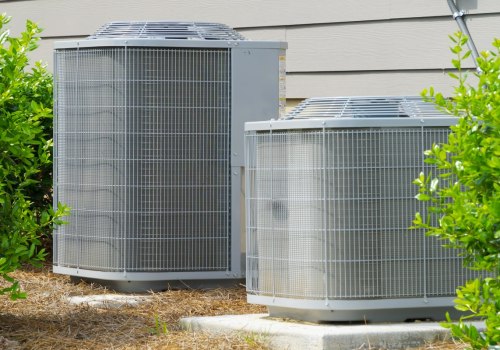
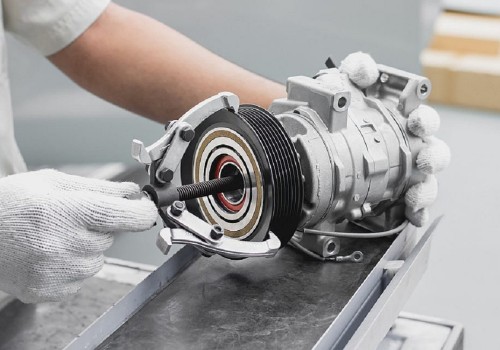
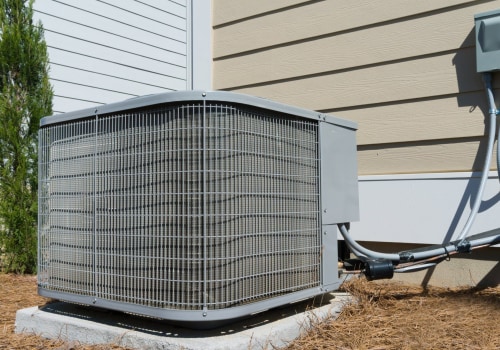
In today's world, maintaining a comfortable indoor environment is essential for both health and well-being. This is where HVAC systems come into play, providing the necessary heating, ventilation, and air conditioning to ensure that our homes remain cozy during the winter months and refreshingly cool in the summer. Understanding how these systems function is crucial for homeowners, especially when it comes to making informed decisions about AC replacements and overall system maintenance.An HVAC system is a complex network of components designed to work in harmony to regulate indoor temperatures and air quality. At its core, an HVAC system typically consists of several key elements: the furnace or heating unit, the air conditioning unit, ductwork, thermostats, and ventilation systems.
Each component plays a vital role in ensuring that your home remains comfortable throughout the year. For instance, the furnace generates heat during colder months, while the air conditioning unit cools the air during warmer periods. The ductwork then distributes this conditioned air throughout your living spaces.Moreover, proper ventilation is essential for maintaining good indoor air quality. It helps to remove stale air and introduce fresh air into your home, which is particularly important in tightly sealed modern homes.
Understanding how these components interact can help homeowners appreciate the importance of proper sizing and installation of their HVAC systems. A system that is too small will struggle to maintain comfortable temperatures, while one that is too large can lead to inefficiencies and increased energy costs.As we delve deeper into the intricacies of HVAC systems, it becomes clear that proper sizing and installation are not just technical details; they are fundamental to achieving optimal performance and energy efficiency. Whether you are considering a new installation or replacing an existing unit, grasping the basics of how HVAC systems operate will empower you to make better choices for your home.
The Role of Proper Sizing in HVAC Efficiency
When it comes to HVAC systems, proper sizing is a critical factor that directly impacts efficiency, comfort, and longevity. An air conditioning unit that is either too large or too small can lead to a myriad of problems, affecting not only the system's performance but also your energy bills.Oversized AC Units
- Short Cycling: One of the primary issues with oversized units is short cycling.
This occurs when the air conditioner cools the space too quickly, causing it to turn on and off frequently. This not only leads to inconsistent temperatures but also increases wear and tear on the system. This occurs when the air conditioner cools the space too quickly, causing it to turn on and off frequently. This not only leads to inconsistent temperatures but also increases wear and tear on the system.
- Increased Energy Costs: An oversized unit consumes more energy than necessary, leading to higher utility bills. The initial investment may seem justified, but the long-term costs can be significant.
- Humidity Control Issues: Larger units often fail to run long enough to effectively dehumidify the air. This can result in a clammy indoor environment, making your home feel uncomfortable even when the temperature is set correctly.
Undersized AC Units
- Inadequate Cooling: An undersized unit struggles to maintain the desired temperature, leading to discomfort during hot weather.
Homeowners may find themselves constantly adjusting the thermostat in an attempt to achieve relief.
- Increased Wear and Tear: Just like oversized units, undersized systems experience excessive strain as they work harder to cool your home. This can lead to more frequent repairs and a shorter lifespan for the equipment.
- Higher Energy Bills: While it may seem counterintuitive, an undersized unit can also lead to increased energy costs. The constant operation at maximum capacity can consume more energy than a properly sized unit would.
This ensures that your new system is tailored specifically to your home’s needs.In conclusion, investing in a properly sized HVAC system is essential for achieving optimal efficiency and comfort. Whether you are considering AC replacements or installing a new system, always consult with an expert who understands the nuances of HVAC sizing. This proactive approach will save you money in the long run and enhance your overall indoor environment.
Factors Influencing HVAC Sizing
When it comes to HVAC sizing, several critical factors must be taken into account to ensure optimal performance and efficiency. Properly sizing your HVAC system is essential not only for comfort but also for energy savings and longevity of the equipment.Below are the primary factors that influence how an HVAC system should be sized:
- Home Size: The total square footage of your home is one of the most significant factors in determining the size of your HVAC system. Larger homes require more powerful systems to maintain comfortable temperatures, while smaller homes can operate efficiently with less capacity. A professional HVAC technician will often use a method called Manual J calculation to assess the appropriate size based on your home’s dimensions.
- Insulation Quality: The effectiveness of your home’s insulation plays a crucial role in how much heating or cooling is needed. Well-insulated homes retain temperature better, reducing the load on your HVAC system.
Conversely, homes with poor insulation may require a larger system to compensate for heat loss in winter or heat gain in summer.
- Local Climate: The climate in which you live significantly impacts HVAC sizing. Areas with extreme temperatures may require more robust systems to handle the demands of both heating and cooling. For instance, homes in regions with hot summers and cold winters will need a different approach compared to those in milder climates.
- Household Needs: The specific needs of your household can also influence HVAC sizing. Factors such as the number of occupants, lifestyle habits, and even the presence of heat-generating appliances can affect how much heating or cooling is necessary.
For example, a family that frequently cooks or uses multiple electronic devices may require additional cooling capacity.
- Window Orientation and Size: The number, size, and orientation of windows can impact how much sunlight enters your home, affecting indoor temperatures. Homes with large south-facing windows may experience more heat gain during summer months, necessitating a larger air conditioning unit.
The Importance of Professional Installation
When it comes to installing an HVAC system, the importance of professional installation cannot be overstated. While some homeowners may consider a DIY approach to save money, the risks associated with improper installation can lead to significant long-term costs and inefficiencies.Benefits of Expert Installation
- Optimal Performance: Professional HVAC technicians have the training and experience necessary to ensure that your system is installed correctly.
This means that all components will work together efficiently, maximizing the performance of your heating and cooling systems.
- Energy Efficiency: A properly installed HVAC system can significantly reduce energy consumption. Professionals take into account factors such as ductwork design, insulation, and system sizing, which are crucial for achieving optimal energy efficiency.
- Warranty Protection: Many manufacturers require professional installation to validate warranties. If you attempt a DIY installation and encounter issues later, you may find that your warranty is voided, leaving you responsible for costly repairs.
- Safety Considerations: HVAC systems involve electrical components and gas lines that can pose safety hazards if not handled correctly. Professionals are trained to manage these risks, ensuring that your home remains safe during and after installation.
Risks of DIY HVAC Installations
- Improper Sizing: One of the most common mistakes in DIY installations is incorrect sizing of the HVAC unit.
An oversized or undersized system can lead to inefficient operation, increased energy bills, and premature wear and tear on the equipment.
- Poor Ductwork Connections: Inadequate sealing or incorrect connections in ductwork can result in air leaks, reducing the efficiency of your system and leading to uneven heating or cooling throughout your home.
- Lack of Compliance with Local Codes: Many areas have specific building codes and regulations regarding HVAC installations. A DIY approach may not meet these standards, potentially resulting in fines or the need for costly rework.
Common Mistakes in HVAC Sizing and Installation
When it comes to HVAC systems, proper sizing and installation are critical for ensuring optimal performance and efficiency.Unfortunately, many homeowners and even some contractors make common mistakes that can lead to significant issues down the line. Understanding these pitfalls can help you avoid costly repairs and inefficiencies.
1.Incorrect Sizing of HVAC Units
One of the most prevalent mistakes in HVAC installation is improper sizing of the units. Many homeowners believe that bigger is better, but this is far from the truth. An oversized air conditioning unit can lead to:- Short Cycling: This occurs when the system turns on and off frequently, failing to run long enough to effectively dehumidify the air.
- Increased Energy Costs: Larger units consume more energy than necessary, leading to higher utility bills.
- Uneven Temperature Distribution: Oversized systems often struggle to maintain consistent temperatures throughout the home.
2.Neglecting Ductwork Considerations
The ductwork plays a vital role in the efficiency of your HVAC system.Failing to account for existing duct conditions can lead to:
- Air Leaks: Damaged or poorly sealed ducts can result in significant energy loss.
- Inadequate Airflow: If ducts are too small or improperly configured, they can restrict airflow, causing strain on the system.
3.Ignoring Local Climate Factors
Your local climate significantly impacts your HVAC needs. Failing to consider factors such as humidity levels and seasonal temperature variations can lead to poor system performance. For instance, homes in humid areas may require systems with enhanced dehumidification capabilities.4.Skipping Professional Assessment
Many homeowners attempt DIY installations or rely on unqualified technicians, which can lead to a host of problems. A professional HVAC technician will conduct a comprehensive assessment of your home, considering factors like:- The size and layout of your home
- The insulation quality
- The number of windows and doors
- Your specific heating and cooling needs
5.Overlooking Maintenance Needs
Finally, neglecting regular maintenance after installation can exacerbate existing issues.Routine checks help identify potential problems early on, ensuring your system operates efficiently over its lifespan. Regular maintenance includes:
- Changing filters
- Cleansing coils
- Inspecting ductwork for leaks
Signs It's Time for AC Replacement
Recognizing the right time for AC replacement can significantly impact your home’s comfort and energy efficiency. Several indicators can help you determine whether it’s time to invest in a new air conditioning unit.1.Age of the Unit
One of the most straightforward signs that your air conditioner may need replacing is its age. Most air conditioning systems have a lifespan of about 10 to 15 years.If your unit is approaching or has surpassed this age, it’s wise to consider a replacement. Older units often struggle to maintain efficiency and may not meet current energy standards, leading to higher operational costs.
2.Frequent Repairs
If you find yourself calling for repairs more frequently, it may be a sign that your AC is on its last legs. While occasional maintenance is normal, a unit that requires constant repairs can become a financial burden. If repair costs are adding up to more than half the price of a new system, it’s time to evaluate replacement options.3.Rising Energy Bills
Have you noticed a steady increase in your energy bills? An aging or inefficient air conditioning system often struggles to cool your home effectively, causing it to work harder and consume more energy.If your utility bills are rising without any changes in usage patterns, this could indicate that your AC is no longer operating efficiently.
4.Inconsistent Temperatures
If certain rooms in your home are warmer or cooler than others, it may be due to an aging AC system that can no longer distribute air evenly. Inconsistent temperatures can lead to discomfort and indicate that your unit is failing to perform its primary function.5.Unusual Noises
Strange sounds such as grinding, squealing, or banging coming from your air conditioning unit can signal serious issues. These noises often indicate mechanical problems that could lead to complete system failure if not addressed promptly. If you hear these sounds regularly, it’s advisable to consult with an HVAC professional.6.Excessive Humidity
Your air conditioner should help regulate humidity levels in your home.If you notice that your living space feels excessively humid even when the AC is running, it may not be functioning correctly. This inefficiency can lead to mold growth and other moisture-related issues.In conclusion, being aware of these signs can help you make informed decisions regarding AC replacements. Regularly assessing the performance and condition of your air conditioning system will ensure that you maintain a comfortable and energy-efficient home environment.
Choosing the Right AC Replacement Unit
When it comes to choosing an AC replacement, several factors must be taken into account to ensure you select the best unit for your home. The right air conditioning system not only enhances comfort but also contributes to energy efficiency and cost savings over time.Energy Efficiency Ratings
One of the most critical aspects to consider is the energy efficiency rating of the air conditioning unit.Look for models with a high Seasonal Energy Efficiency Ratio (SEER) rating. A higher SEER rating indicates better energy efficiency, which can lead to lower utility bills. As of 2023, many manufacturers offer units with SEER ratings exceeding 16, which are considered highly efficient.
Compatibility with Existing Systems
Before making a purchase, assess how well the new unit will integrate with your existing HVAC system. This includes checking the compatibility of the new AC unit with your current ductwork, thermostat, and any other components.An HVAC professional can help evaluate your system and recommend suitable options that will work seamlessly together.
Size Matters
Proper sizing is crucial when selecting an AC replacement. An oversized unit may cool your home too quickly without adequately dehumidifying the air, while an undersized unit will struggle to maintain comfortable temperatures. To determine the right size, consider factors such as:- The square footage of your home
- The number of windows and their orientation
- The insulation quality
- The local climate
Features and Technology
Modern air conditioning units come equipped with various features that enhance performance and convenience. Look for units that offer:- Smart technology: Wi-Fi-enabled thermostats allow you to control your AC remotely.
- Variable speed compressors: These adjust cooling output based on demand, improving efficiency.
- Quiet operation: Many newer models are designed to operate more quietly than older units.
By taking these factors into account, you can ensure that your new air conditioning unit meets your needs while providing optimal comfort and efficiency for years to come.
The Long-Term Benefits of Properly Sized and Installed HVAC Systems
Investing in a properly sized and installed HVAC system is not just a matter of immediate comfort; it has significant long-term benefits that can enhance your home’s efficiency and reduce operational costs. Understanding these advantages can help homeowners make informed decisions when considering AC replacements or upgrades.1.Enhanced Energy Efficiency
One of the most compelling reasons to ensure your HVAC system is correctly sized and installed is the energy efficiency it brings. An appropriately sized unit operates more effectively, consuming less energy to maintain the desired temperature. This efficiency translates into lower energy bills over time, allowing homeowners to save significantly on their monthly expenses.
2.Improved Comfort Levels
A well-installed HVAC system provides consistent heating and cooling throughout your home.
When systems are too large or too small, they can lead to uneven temperatures, resulting in hot or cold spots in different areas of your home. Proper sizing ensures that your system can adequately meet the heating and cooling demands of your space, leading to a more comfortable living environment.
3.Longer Lifespan of Equipment
HVAC systems that are correctly sized and installed tend to have longer lifespans. When a unit is overworked due to improper sizing, it can lead to increased wear and tear, resulting in more frequent repairs and a shorter overall lifespan. By investing in the right system from the start, homeowners can avoid premature replacements and enjoy their HVAC systems for many years.
4.Reduced Maintenance Costs
Regular maintenance is essential for any HVAC system, but when systems are properly sized and installed, they often require less frequent servicing.
A well-functioning unit experiences fewer breakdowns, which means lower maintenance costs over time. Homeowners can allocate their resources more effectively when they are not constantly dealing with repairs.
5.Increased Home Value
A modern, efficient HVAC system can significantly increase the value of your home. Potential buyers are often willing to pay a premium for homes equipped with reliable heating and cooling systems that promise comfort and energy savings. By investing in proper installation now, you may see a return on investment when it comes time to sell your property.In conclusion, the long-term benefits of investing in properly sized and installed HVAC systems extend beyond immediate comfort.
From enhanced energy efficiency and improved comfort levels to reduced maintenance costs and increased home value, these advantages make a compelling case for homeowners considering AC replacements. Making informed decisions today can lead to substantial savings and satisfaction in the years to come.
Conclusion: The Key Takeaways on HVAC Sizing and Installation Importance
In summary, the significance of properly sizing and installing HVAC systems cannot be overstated. As we have explored throughout this article, the efficiency and effectiveness of your heating and cooling systems hinge on these critical factors. Here are the key takeaways:- Proper Sizing is Essential: An HVAC system that is too large or too small can lead to a myriad of problems, including increased energy costs, inconsistent temperatures, and premature wear and tear on equipment.
A correctly sized system ensures optimal performance and comfort.
- Professional Installation Matters: The installation process is just as important as the equipment itself. A qualified HVAC technician will ensure that all components are installed correctly, which can significantly impact the system's efficiency and longevity.
- Compatibility is Key: When replacing components of your HVAC system, it’s crucial to consider compatibility between different brands and models. Mismatched systems can lead to inefficiencies and may void warranties.
- Regular Maintenance is Vital: Routine maintenance helps keep your HVAC system running smoothly. Regular check-ups can identify potential issues before they become costly repairs, ensuring that your system operates at peak efficiency.
- Energy Efficiency Saves Money: Investing in a properly sized and installed HVAC system can lead to significant savings on energy bills over time.
Energy-efficient systems not only reduce costs but also have a positive impact on the environment.