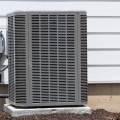
When it comes to maintaining a comfortable home environment, understanding AC replacements is crucial. An air conditioning unit is not just a luxury; it plays a vital role in regulating indoor temperatures, ensuring air quality, and enhancing overall comfort. However, like any mechanical system, air conditioners have a finite lifespan and will eventually require replacement. This process can seem daunting, but with the right knowledge, homeowners can navigate it with confidence. Replacing your air conditioner involves more than simply purchasing a new unit. is crucial. An air conditioning unit is not just a luxury; it plays a vital role in regulating indoor temperatures, ensuring air quality, and enhancing overall comfort. However, like any mechanical system, air conditioners have a finite lifespan and will eventually require replacement. This process can seem daunting, but with the right knowledge, homeowners can navigate it with confidence. Replacing your air conditioner involves more than simply purchasing a new unit.
It requires careful consideration of various factors, including the compatibility of the new system with your existing HVAC system, the efficiency ratings of different models, and the specific needs of your home. Understanding these elements can help you make informed decisions that not only enhance comfort but also improve energy efficiency and reduce long-term costs. Moreover, the timing of an air conditioner replacement is equally important. Waiting too long to replace an aging unit can lead to higher energy bills and unexpected breakdowns, which can be both inconvenient and costly. On the other hand, replacing your AC too early may not provide the best return on investment.
Therefore, it's essential to assess your current system's performance and consider factors such as age, repair history, and energy efficiency before making a decision. This section will delve deeper into the intricacies of AC replacements, exploring the various aspects that homeowners should consider when faced with this significant decision. From understanding the different types of air conditioning systems available to evaluating installation costs and potential savings, we aim to equip you with the knowledge necessary for a successful replacement process.
When to Consider an AC Replacement
Deciding when to replace your air conditioner can be a daunting task, especially with the various factors to consider. However, recognizing the signs that indicate it may be time for an AC replacement can help you make an informed decision and avoid unexpected breakdowns during the hottest months of the year.Age of the Unit
One of the most significant indicators that your air conditioner may need replacing is its age. Most air conditioning units have a lifespan of about 10 to 15 years.
If your system is approaching or has surpassed this age range, it’s wise to start considering a replacement. Older units tend to become less efficient and more prone to breakdowns, leading to increased repair costs.
Rising Energy Bills
If you notice a steady increase in your energy bills without any changes in usage patterns, it could be a sign that your air conditioner is losing efficiency. As systems age, they often require more energy to cool your home effectively. Investing in a new, energy-efficient model can lead to significant savings on your monthly utility bills.
Frequent Repairs
Another clear sign that it might be time for an AC replacement is if you find yourself calling for repairs frequently.
If you’re spending more on repairs than you would on a new unit, it’s time to weigh your options. A good rule of thumb is the 50% rule: if the cost of repairs exceeds half the price of a new unit, consider replacing it.
Inconsistent Temperatures
If certain rooms in your home are consistently warmer or cooler than others, this could indicate that your air conditioning system is struggling to maintain even temperatures. This inconsistency can be frustrating and may signal that your unit is no longer capable of effectively cooling your space.
Noisy Operation
Unusual noises such as grinding, squealing, or rattling can indicate serious issues within your air conditioning system. While some sounds may be normal, persistent or loud noises often suggest that components are failing and may require replacement.
Humidity Issues
Your air conditioner should help regulate humidity levels in your home.
If you notice excessive humidity or dampness indoors, it could mean that your unit is not functioning properly. An inefficient AC can lead to mold growth and other moisture-related problems, making replacement necessary.By keeping an eye out for these signs, homeowners can better determine when it’s time for an AC replacement. Making this decision proactively can save you from discomfort and higher costs down the line.
Evaluating Your Current HVAC System
When considering AC replacements, it is crucial to evaluate your current HVAC system thoroughly. This evaluation not only helps in determining whether you need to replace just the air conditioner or if other components, such as the furnace, should also be considered, but it also ensures that the new unit will operate efficiently and effectively.Assessing Compatibility
The first step in evaluating your HVAC system is to check the compatibility between your existing furnace and the new air conditioning unit.
Most modern air conditioners are designed to work with specific types of furnaces, and mismatched systems can lead to inefficiencies and increased energy costs. If your furnace is relatively new and in good working condition, it may be possible to replace only the air conditioning unit. However, if your furnace is older or has been experiencing issues, it might be wise to consider a full system replacement.
Understanding System Components
Your HVAC system consists of several key components that work together to provide heating and cooling. These include:
- Furnace: The primary heating source that works in conjunction with the air conditioner.
- Air Conditioner: The cooling unit that removes heat from your home.
- Evaporator Coil: Located inside the home, this component absorbs heat from the indoor air.
- Ductwork: The network of ducts that distribute conditioned air throughout your home.
- Thermostat: The control system that regulates temperature settings.
When replacing your air conditioner, it’s essential to consider how these parts interact with one another. For instance, if you are upgrading to a more efficient AC unit, you may also need to upgrade the evaporator coil to ensure optimal performance.
Long-Term Considerations
While it may be tempting to replace only the air conditioning unit to save on upfront costs, consider the long-term implications. An older furnace paired with a new AC unit may not operate at peak efficiency, leading to higher energy bills and potential breakdowns. Additionally, if both units are nearing the end of their lifespan, replacing them simultaneously can save on installation costs and ensure a more cohesive system.In conclusion, evaluating your current HVAC system is a critical step in the AC replacements process.
By assessing compatibility and understanding how each component works together, you can make informed decisions that enhance comfort and efficiency in your home.
Choosing the Right Air Conditioner
When it comes to ac replacements, selecting the right air conditioner is crucial for ensuring comfort and efficiency in your home. With various types of air conditioning systems available, understanding their features and benefits can help you make an informed decision.Types of Air Conditioners
- Central Air Conditioners: These systems are designed to cool your entire home through a network of ducts. They are ideal for larger spaces and provide consistent cooling throughout.
- Split-System Air Conditioners: Comprising an outdoor unit and an indoor unit, split systems are versatile and can be used for both cooling and heating. They are suitable for homes without ductwork.
- Window Air Conditioners: Perfect for single rooms or small spaces, window units are easy to install and can be removed when not in use.
They are a cost-effective solution for localized cooling.
- Portable Air Conditioners: These units offer flexibility as they can be moved from room to room. They require a venting kit to expel hot air outside but are great for renters or temporary solutions.
- Ductless Mini-Split Systems: Similar to split systems but without ductwork, these systems allow for zoned cooling, making them energy-efficient options for homes with specific cooling needs.
Energy Efficiency Ratings
When choosing an air conditioner, pay attention to its energy efficiency rating. The Seasonal Energy Efficiency Ratio (SEER) measures the cooling output during a typical cooling season divided by the total electric energy input. A higher SEER rating indicates better energy efficiency, which can lead to significant savings on your utility bills.For example, air conditioners with a SEER rating of 14 or higher are considered efficient, while those with ratings above 20 are highly efficient.Investing in a unit with a higher SEER rating may have a higher upfront cost but will save you money over time through reduced energy consumption.
Best Air Conditioner Brands
Selecting a reliable brand is essential for ensuring quality and longevity in your air conditioning system. Some of the top brands known for their performance and customer satisfaction include:- Trane: Renowned for durability and efficiency, Trane units often come with extensive warranties.
- Lennox: Offers a range of high-efficiency models that cater to various budgets and needs.
- Carrier: A pioneer in the HVAC industry, Carrier is known for innovative technology and reliable performance.
- Rheem: Provides affordable options without compromising on quality, making it a popular choice among homeowners.
- Mitsubishi Electric: Specializes in ductless systems that offer excellent energy efficiency and flexibility.
The Cost of AC Replacements
When it comes to AC replacements, understanding the costs involved is crucial for homeowners looking to budget effectively. The total expense of replacing an air conditioning unit can vary significantly based on several factors, including the type of system, installation complexity, and regional labor rates.1.Average Costs of AC Replacements
- The average cost for a new air conditioning unit typically ranges from $3,000 to $7,000 , depending on the size and efficiency of the unit.
- Higher efficiency models, which often come with a higher upfront cost, can lead to substantial savings on energy bills over time.
- Installation fees can add an additional $1,000 to $2,500 to the total cost, depending on the complexity of the installation and any necessary modifications to existing ductwork.
2.Factors Influencing Costs
- Type of System: Central air conditioning systems generally cost more than window units or portable air conditioners. However, they provide better cooling for larger spaces.
- Energy Efficiency: Units with higher SEER (Seasonal Energy Efficiency Ratio) ratings may have a higher initial cost but can lead to lower energy bills and rebates from utility companies.
- Installation Complexity: If your home requires extensive ductwork modifications or if there are challenges in accessing installation areas, labor costs may increase.
3.Budgeting for AC Replacement
When planning for an AC replacement, it’s essential to consider not just the purchase price but also long-term savings.
Here are some budgeting tips:
- Research Rebates: Many utility companies offer rebates for energy-efficient systems. Check with your local provider to see what incentives are available.
- Consider Financing Options: Some HVAC companies provide financing plans that allow you to spread out the cost over time, making it more manageable.
- Plan for Maintenance: Regular maintenance can extend the life of your new system and keep it running efficiently, which can save you money in the long run.
Installation Process for New Air Conditioners
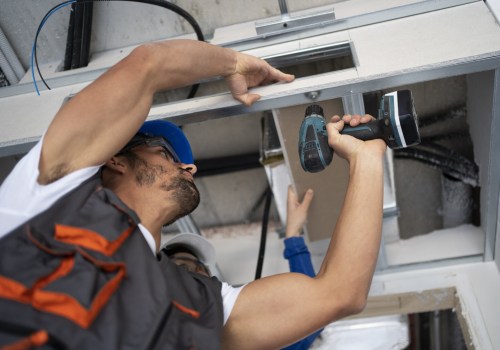
Installing a new air conditioner is a significant investment, and understanding the installation process can help homeowners feel more prepared and confident. Here’s a detailed overview of what to expect during the installation of your new AC unit.1.Initial Assessment
- The installation process begins with an assessment by a qualified HVAC technician. They will evaluate your home’s layout, existing ductwork, and insulation to determine the best type and size of air conditioner for your needs.
- This assessment is crucial as it ensures that the new system will operate efficiently and effectively, providing optimal comfort.
2.Preparing for Installation
- Once the assessment is complete, the technician will schedule a date for installation.
Homeowners should prepare their space by clearing any obstacles around the installation area, both inside and outside.
- It’s also advisable to ensure that pets are secured and that children are kept away from the work area during installation for safety reasons.
3.Removal of the Old Unit
- If you are replacing an existing air conditioner, the first step in the installation process will be to remove the old unit. This involves disconnecting power and refrigerant lines, which should only be done by a licensed professional.
- The technician will safely dispose of the old unit according to local regulations, ensuring that any hazardous materials are handled properly.
4.Installing the New Air Conditioner
- The new air conditioning unit will be carefully positioned in place. For split systems, this includes both the indoor and outdoor components.
- The technician will connect refrigerant lines, electrical wiring, and ductwork as necessary. Proper sealing and insulation are essential to prevent energy loss.
5.Testing and Final Adjustments
- After installation, the technician will conduct thorough testing to ensure that the system operates correctly.
This includes checking for refrigerant leaks, verifying electrical connections, and ensuring that airflow is optimal.
- They may also adjust thermostat settings and demonstrate how to operate your new system effectively.
6.Post-Installation Tips
- Once your new air conditioner is installed, it’s important to keep up with regular maintenance to ensure longevity and efficiency. Schedule annual check-ups with your HVAC technician.
- Familiarize yourself with the warranty details and keep all documentation in a safe place for future reference.
Maintaining Your New Air Conditioner
Once you have invested in a new air conditioner, it’s crucial to implement a solid maintenance routine to ensure its longevity and efficiency. Regular maintenance not only helps in prolonging the lifespan of your unit but also enhances its performance, leading to lower energy bills and improved indoor air quality.1.Regular Filter Changes
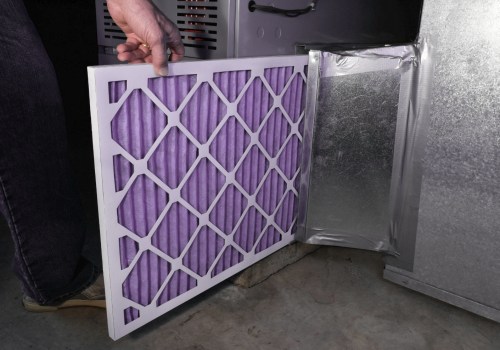
- One of the simplest yet most effective maintenance tasks is changing or cleaning the air filters. Clogged filters restrict airflow, making your AC work harder and less efficiently.
- Check your filters monthly, especially during peak usage seasons, and replace or clean them every 1-3 months depending on usage and filter type.
2.Keep the Outdoor Unit Clear
- Your outdoor unit should be free from debris such as leaves, dirt, and branches.
Ensure there is at least two feet of clearance around the unit to allow for proper airflow.
- Regularly inspect the area around your AC unit and clear any obstructions that may hinder its performance.
3.Schedule Professional Maintenance
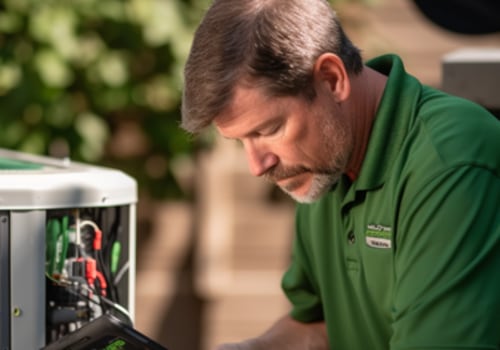
- While DIY maintenance is essential, scheduling a professional inspection at least once a year is equally important. A qualified technician can identify potential issues before they become major problems.
- During these visits, professionals will check refrigerant levels, inspect electrical components, and clean coils, ensuring your system operates at peak efficiency.
4.Monitor Thermostat Settings
- Ensure your thermostat is functioning correctly and set to an optimal temperature. Consider upgrading to a programmable thermostat that can adjust temperatures based on your schedule, which can lead to energy savings.
- Regularly check for any discrepancies in temperature readings and recalibrate if necessary.
5.Insulate Ductwork
- If your home has ductwork, ensure it is properly insulated to prevent energy loss. Leaky ducts can significantly reduce the efficiency of your air conditioning system.
- Inspect ducts for any visible signs of wear or damage and seal any leaks with appropriate materials.
6.Keep an Eye on Performance
- Pay attention to how your air conditioner performs throughout the season.
If you notice unusual noises, reduced airflow, or inconsistent temperatures, it may be time to call a professional for an evaluation.
- Being proactive about these signs can prevent costly repairs down the line.
Common Myths About AC Replacements
When it comes to AC replacements, there are numerous myths and misconceptions that can cloud homeowners' judgment. Understanding the truth behind these myths is crucial for making informed decisions about your HVAC system. Here, we debunk some of the most common myths surrounding air conditioner replacements.- Myth 1: You Must Replace Both the AC and Furnace Together
Many homeowners believe that if one component of their HVAC system fails, they must replace both the air conditioner and the furnace simultaneously.This is not necessarily true. If your furnace is still functioning well and is compatible with the new air conditioning unit, you can replace just the AC. However, if both units are nearing the end of their lifespan, it may be more cost-effective to replace them together.
- Myth 2: All Air Conditioners Are the Same
Another common misconception is that all air conditioning units operate similarly. In reality, there are various types of AC systems, including central air conditioners, ductless mini-splits, and window units, each with different efficiencies and features.Choosing the right type for your home can significantly impact your energy bills and comfort levels.
- Myth 3: Higher Efficiency Ratings Always Mean Higher Costs
While it’s true that units with higher efficiency ratings often come with a higher upfront cost, they can lead to substantial savings on energy bills over time. Investing in a more efficient model can pay off in the long run through reduced energy consumption. - Myth 4: You Can Install an AC Unit Yourself
Some homeowners may think they can save money by installing an air conditioning unit themselves. However, improper installation can lead to inefficiencies and even damage to the system. It’s always best to hire a qualified HVAC professional for installation to ensure optimal performance. - Myth 5: Regular Maintenance Isn’t Necessary After Replacement
Once you replace your air conditioner, you might think that maintenance is no longer necessary.This is a dangerous misconception. Regular maintenance is essential for keeping your new system running efficiently and prolonging its lifespan. Schedule annual check-ups with a professional technician to ensure everything is functioning correctly.
Conclusion: Making Informed Decisions on AC Replacements
In conclusion, navigating the complexities of AC replacements requires careful consideration and informed decision-making.As we have explored throughout this article, the choice to replace your air conditioning unit is not merely a matter of swapping out an old model for a new one; it involves evaluating various factors that can significantly impact your home's comfort and energy efficiency.First and foremost, understanding the compatibility between your existing furnace and the new air conditioning unit is crucial. If both systems are compatible, you may opt to replace only the air conditioner, which can be a cost-effective solution. However, if your furnace is aging or inefficient, it might be wise to consider a full system replacement to maximize efficiency and performance.Additionally, the type of refrigerant used in your current system plays a vital role in your replacement options. Transitioning from an R22 system to an R410a system often necessitates replacing both the outdoor unit and the indoor evaporator coil to ensure optimal performance and efficiency.
This investment can lead to substantial long-term savings on energy bills.Moreover, it’s essential to weigh the upfront costs against potential savings. While higher-efficiency models may require a larger initial investment, they can yield significant reductions in energy consumption over time. This not only benefits your wallet but also contributes positively to environmental sustainability.Finally, consulting with HVAC professionals can provide invaluable insights tailored to your specific situation. They can help assess your current system's condition, recommend suitable replacements, and guide you through the installation process.Ultimately, making informed decisions regarding AC replacements will ensure that you choose a solution that meets your needs while enhancing the overall efficiency of your home’s heating and cooling systems.
By taking the time to evaluate all aspects of your HVAC system, you can enjoy a comfortable living environment for years to come.