When it comes to maintaining a comfortable home, the furnace plays a crucial role, especially during the colder months. However, like any mechanical system, furnaces have a finite lifespan and can experience wear and tear over time. Understanding when it’s time to consider a furnace replacement is essential for ensuring your home remains warm and energy-efficient. Ignoring the signs of furnace failure can lead to more significant issues down the line, including higher energy bills and unexpected breakdowns. There are several key indicators that suggest your furnace may be nearing the end of its life.
For instance, if you notice inconsistent heating throughout your home, strange noises emanating from the unit, or an increase in your energy costs without a corresponding change in usage, these could be signs that your furnace is struggling to operate efficiently. Additionally, if your furnace is over 15 years old and requires frequent repairs, it may be more cost-effective in the long run to invest in a new system rather than continue pouring money into an aging unit. Another critical factor to consider is the age of your furnace. Most furnaces are designed to last between 15 to 20 years. If yours is approaching this age range and exhibiting any of the aforementioned symptoms, it’s wise to consult with a professional HVAC technician.
They can assess the condition of your system and help you determine whether a furnace replacement is necessary. By being proactive about these signs, you can avoid the discomfort and inconvenience of a sudden furnace failure during the coldest months of the year.
Evaluating Your Current HVAC System
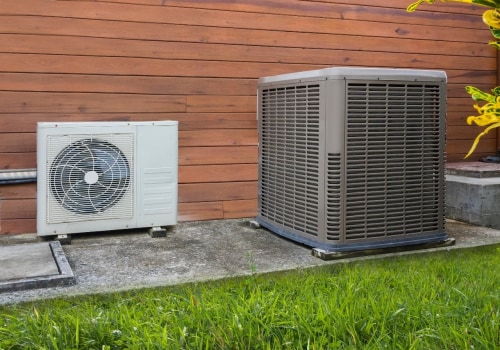
When considering a furnace replacement, it’s crucial to evaluate your entire HVAC system, including the air conditioning unit. This assessment not only helps in understanding the current state of your systems but also ensures that any new installations will work harmoniously together.1.Assessing the Age and Condition of Your HVAC Components
- Start by determining the age of your furnace and air conditioning unit. Most HVAC systems have a lifespan of 15 to 20 years.
If either component is nearing the end of its life, it may be wise to consider replacing both.
- Inspect for any visible signs of wear and tear, such as rust, leaks, or unusual noises. These can indicate underlying issues that may affect performance.
- Check the maintenance history. Regular servicing can extend the life of your systems, while neglect can lead to premature failures.
2.Understanding Compatibility Between Furnace and AC
Compatibility between your furnace and air conditioning unit is essential for optimal performance. Here are some factors to consider:
- System Type: Ensure both units are compatible in terms of technology (e.g., central air vs.
ductless systems). Mismatched systems can lead to inefficiencies.
- Capacity: The size of your furnace and AC should match the heating and cooling needs of your home. An oversized or undersized unit can lead to increased energy costs and reduced comfort.
- Efficiency Ratings: Look for units with similar efficiency ratings (SEER for AC and AFUE for furnaces). This ensures that both systems operate efficiently together.
3.The Relationship Between Your Furnace and AC
The relationship between your furnace and air conditioning system is pivotal in maintaining a comfortable indoor environment.
When one system is replaced, it can impact the other:
- If you replace an older furnace with a new, more efficient model, but keep an outdated AC unit, you may not achieve the energy savings you expect.
- A new furnace may require different airflow characteristics than an older AC unit can provide, leading to potential issues with temperature regulation.
Key Factors to Consider Before Replacing Your Furnace
When considering a furnace replacement, several key factors come into play that can significantly impact your decision-making process. Understanding these elements will not only help you choose the right system but also ensure that your investment is worthwhile in the long run.Energy Efficiency Ratings
One of the most critical aspects to evaluate is the energy efficiency of the furnace you plan to install. Furnaces are rated by their Annual Fuel Utilization Efficiency (AFUE), which measures how efficiently they convert fuel into heat.A higher AFUE rating indicates better efficiency, meaning lower energy bills and a reduced environmental footprint.
- AFUE Ratings: Look for models with an AFUE of 90% or higher. These units convert most of the fuel they consume into usable heat, making them a smart choice for energy-conscious homeowners.
- Energy Star Certification: Consider furnaces that are Energy Star certified, as they meet strict efficiency guidelines set by the U. S. Environmental Protection Agency.
Budget Considerations
Your budget is another crucial factor when replacing your furnace.While it may be tempting to opt for the cheapest model available, this could lead to higher operational costs over time due to inefficiency. Here are some budget-related points to keep in mind:
- Initial Costs: Factor in not just the purchase price of the furnace but also installation costs, which can vary based on your home’s layout and existing ductwork.
- Long-Term Savings: Invest in a more efficient model that may have a higher upfront cost but will save you money on energy bills over its lifespan.
- Financing Options: Explore financing options or rebates offered by manufacturers or local utility companies that can help offset initial expenses.
Age of Existing Systems
The age and condition of your current heating system should also influence your decision. If your furnace is over 15 years old, it may be time for a replacement, especially if you notice frequent repairs or rising energy costs. Additionally, consider:- Compatibility with Existing Systems: If you have an older air conditioning unit, assess whether it can work efficiently with a new furnace.
Sometimes, replacing both systems simultaneously can enhance overall performance.
- Future Needs: Think about your long-term plans for your home. If you anticipate expanding or renovating, investing in a more powerful and efficient system now could save you from future headaches.
The Importance of Professional Assessment
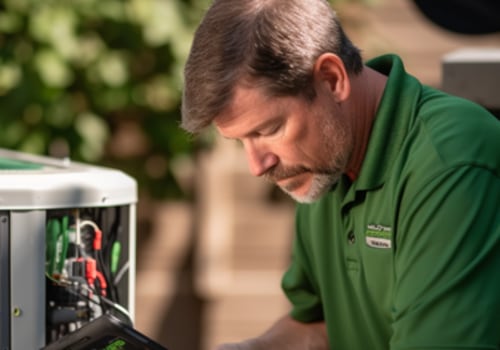
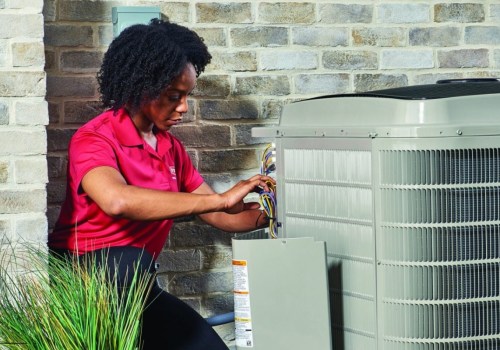
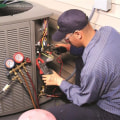
When it comes to making decisions about your heating system, the importance of a professional HVAC assessment cannot be overstated. Many homeowners may feel tempted to diagnose issues with their furnace on their own or rely on online resources. However, the complexities of HVAC systems require the expertise of trained professionals who can provide an accurate evaluation.Hiring a qualified HVAC technician offers several benefits that can save you time, money, and stress in the long run:- Expert Knowledge: HVAC technicians undergo extensive training and certification processes.
They possess a deep understanding of various heating systems, including furnaces and air conditioning units. This expertise allows them to identify problems that may not be immediately apparent to the untrained eye.
- Accurate Diagnosis: A professional assessment involves a thorough inspection of your furnace and related components. Technicians use specialized tools and techniques to diagnose issues accurately, ensuring that you receive the right recommendations for repair or replacement.
- Safety Considerations: Furnaces can pose safety risks if not handled properly. Issues such as gas leaks or electrical malfunctions can lead to hazardous situations.
A professional technician is trained to recognize these dangers and take appropriate measures to mitigate them.
- Efficiency Recommendations: Beyond just identifying problems, HVAC professionals can provide insights into how to improve your system's efficiency. They can recommend upgrades or modifications that could enhance performance and reduce energy costs.
- Long-Term Solutions: Rather than just addressing immediate concerns, a professional assessment can help you understand the long-term health of your heating system. This foresight allows you to plan for future repairs or replacements, avoiding unexpected breakdowns.
By relying on expert guidance, you can make informed decisions about whether to repair or replace your furnace, ensuring that your heating system operates efficiently for years to come.
Choosing the Right Furnace for Your Home
When it comes to selecting a furnace for your home, understanding the different types available is crucial. Each type of furnace has its own set of advantages and disadvantages, making it essential to choose one that aligns with your specific heating needs and budget.Types of Furnaces
- Gas Furnaces: These are among the most popular options due to their efficiency and cost-effectiveness. Gas furnaces use natural gas or propane to generate heat, providing quick warmth and lower energy bills. They typically have a lifespan of 15 to 20 years.
- Electric Furnaces: Electric furnaces are another viable option, especially in areas where natural gas is not readily available.
They are generally easier to install and maintain but can lead to higher energy costs in colder climates due to electricity prices.
- Oil Furnaces: While less common today, oil furnaces are still used in some regions. They burn heating oil to produce heat and are known for their ability to generate high levels of warmth. However, they require more maintenance and can be less efficient than gas models.
- Hybrid Furnaces: Combining the benefits of gas and electric systems, hybrid furnaces automatically switch between fuel sources based on efficiency. This flexibility can lead to significant savings on energy bills.
Furnace Selection Guide
When choosing a furnace, consider the following factors:- Size: The size of your furnace should match the heating requirements of your home.
An undersized unit will struggle to keep up with demand, while an oversized unit can lead to inefficiency and increased wear.
- Efficiency Ratings: Look for furnaces with high Annual Fuel Utilization Efficiency (AFUE) ratings. A higher AFUE means better energy efficiency, which translates into lower utility bills.
- Installation Costs: Factor in both the purchase price and installation costs when budgeting for a new furnace. Some models may have higher upfront costs but offer long-term savings through efficiency.
- Brand Reputation: Research different brands and read customer reviews. Reliable brands often provide better warranties and customer service.
Consulting with a qualified HVAC professional can help you navigate these options and make an informed decision that ensures comfort and efficiency for years to come.
Understanding Installation Process and Costs
When it comes to replacing your furnace, understanding the installation process and associated costs is crucial for making informed decisions. The installation of a new furnace typically involves several key steps, each of which can impact the overall cost and timeline.1.Initial Assessment
- The process begins with an assessment of your current heating system and home layout. An HVAC technician will evaluate your existing ductwork, insulation, and the size of your home to determine the appropriate furnace type and size.
- This assessment is vital as it ensures that the new furnace will operate efficiently and effectively in your space.
2.Choosing the Right Furnace
- Once the assessment is complete, you will need to select a new furnace. Options may include gas, electric, or oil furnaces, each with its own benefits and drawbacks.
- Your technician can help guide you through this decision based on your home’s needs and your budget.
3.Installation Day
- On installation day, the technicians will arrive at your home with the new furnace and necessary tools.
They will begin by removing the old unit, which may involve disconnecting gas lines or electrical connections.
- Next, they will install the new furnace, ensuring that all connections are secure and compliant with local building codes.
- The installation process typically takes a few hours but can vary based on the complexity of the job.
4.Testing and Final Adjustments
- After installation, technicians will test the new system to ensure it operates correctly. This includes checking for any leaks, verifying thermostat functionality, and ensuring that airflow is optimal throughout your home.
- Any necessary adjustments will be made at this time to maximize efficiency.
Installation Costs
The cost of installing a new furnace can vary widely based on several factors:
- Type of Furnace: Gas furnaces tend to be more expensive than electric models due to their complexity.
- Installation Complexity: If ductwork needs to be modified or replaced, this can significantly increase costs.
- Labor Costs: Labor rates can vary by region and company; obtaining multiple quotes can help you find a competitive price.
Maintaining Your New Furnace for Longevity
Investing in a new furnace is a significant decision, and to maximize that investment, proper maintenance is crucial.Regular upkeep not only enhances the efficiency of your heating system but also extends its lifespan. Here are some essential furnace maintenance tips to ensure your new unit operates at peak performance.
Regular Filter Changes
One of the simplest yet most effective ways to maintain your furnace is by changing the air filter regularly. A clogged filter restricts airflow, making your furnace work harder and less efficiently. Depending on usage, it’s advisable to check the filter monthly and replace it every 1-3 months.This small task can significantly improve air quality and system efficiency.
Annual Professional Inspections
Scheduling an annual inspection with a qualified HVAC technician is vital. During this visit, the technician will:- Inspect and clean the burners
- Check for gas leaks
- Examine the heat exchanger for cracks
- Ensure all electrical connections are secure
- Calibrate the thermostat for accurate temperature control
Seasonal Maintenance Checklist
To keep your furnace running smoothly throughout the year, consider implementing a seasonal maintenance checklist:- Before Winter: Inspect and clean the flue pipe, check the ignition system, and ensure that all vents are clear of obstructions.
- During Winter: Monitor your furnace’s performance; listen for unusual noises and watch for inconsistent heating.
- After Winter: Clean the area around your furnace, remove any debris, and check for signs of wear or damage.
Frequently Asked Questions About Furnace Replacement
When considering a furnace replacement, homeowners often have numerous questions and concerns. Addressing these can help demystify the process and ensure that you make informed decisions.What are the signs that my furnace needs to be replaced?
Several indicators suggest it may be time for a furnace replacement:- Age: If your furnace is over 15-20 years old, it may be nearing the end of its lifespan.
- Frequent Repairs: If you find yourself calling for repairs multiple times each season, it may be more cost-effective to replace the unit.
- Increased Energy Bills: A sudden spike in your heating costs can indicate that your furnace is losing efficiency.
- Uneven Heating: If some rooms are significantly colder than others, your furnace may not be distributing heat effectively.
- Noisy Operation: Unusual sounds such as banging or rattling can signal mechanical issues that might warrant a replacement.
Can I replace my furnace myself?
While some homeowners may feel confident in their DIY skills, replacing a furnace is a complex task that requires specialized knowledge and tools.It is highly recommended to hire a licensed HVAC professional to ensure safety and compliance with local codes. Improper installation can lead to serious issues, including carbon monoxide leaks or inefficient operation.
What should I consider when choosing a new furnace?
When selecting a new furnace, consider the following factors:- Size: An appropriately sized furnace is crucial for efficient heating. An HVAC technician can perform a load calculation to determine the right size for your home.
- Energy Efficiency: Look for models with high AFUE (Annual Fuel Utilization Efficiency) ratings. Higher efficiency means lower energy bills.
- Fuel Type: Decide between gas, electric, or oil furnaces based on availability and cost in your area.
- Brand Reputation: Research different brands and read reviews to find reliable options with good warranties.
What are common concerns about replacing furnaces?
Homeowners often express concerns regarding the cost of replacement, potential disruptions during installation, and the longevity of the new unit.It's essential to obtain multiple quotes from reputable contractors and discuss financing options if needed. Additionally, most installations can be completed in a day, minimizing disruption to your daily routine.If you have further questions or specific concerns about your situation, consulting with an HVAC professional can provide tailored advice and peace of mind.
Conclusion: Making Informed Decisions About Your Heating System
In conclusion, replacing your furnace is a significant decision that requires careful consideration and planning. Throughout this article, we have explored various aspects of furnace replacement, emphasizing the importance of understanding your heating system's needs and the implications of making changes.One of the key takeaways is that while it may be tempting to replace both your furnace and air conditioning system simultaneously, it is not always necessary. If your air conditioning unit is relatively new and functioning well, you can focus solely on the furnace replacement without incurring additional costs.However, it is crucial to have your existing air conditioning system evaluated to ensure compatibility and efficiency with the new furnace.Additionally, we discussed the importance of consulting with experienced HVAC professionals who can provide valuable insights into your specific situation. They can help you assess whether a repair or a full replacement is warranted based on the age and condition of your current systems. This expert guidance can save you from making hasty decisions that could lead to unnecessary expenses.Moreover, understanding the different types of furnaces available on the market today can empower you to make informed choices. From energy-efficient models to those that utilize advanced technology for better performance, knowing your options allows you to select a system that aligns with your budget and heating needs.Ultimately, making informed decisions about your heating system not only enhances comfort in your home but also contributes to energy efficiency and cost savings in the long run.
By taking the time to research, consult with professionals, and evaluate your current systems, you can ensure that your investment in a new furnace will serve you well for years to come.In summary, whether you're facing a furnace replacement due to age or inefficiency, or simply looking to upgrade for better performance, being well-informed is key. Take the necessary steps to educate yourself about your options and seek professional advice when needed. This approach will lead you to a successful outcome that meets both your heating requirements and financial considerations.